

Most people scroll past banner ads without a second thought. But what if your ad looked and felt like the content your audience was already reading? That is exactly what native advertising does. That’s why it is one of the most effective formats in a modern digital marketing strategy.
If you are a business owner trying to get more from your ad spend, this is worth understanding.
What Is Native Advertising?
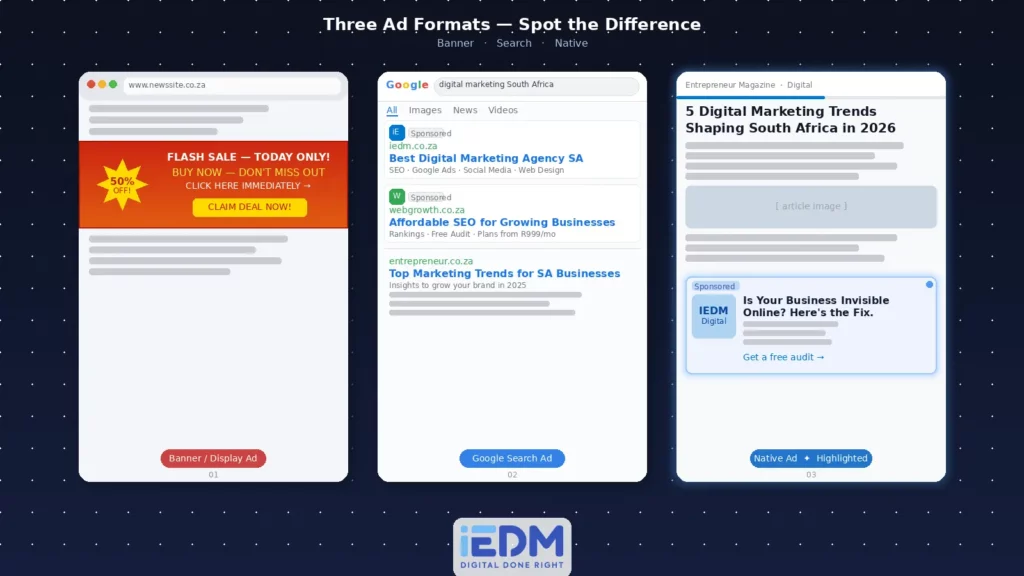
Native advertising is a form of paid marketing where the ads match the look, feel, and function of the platform they appear on. They aren’t like banner and display ads that sit separately from the page content.
Instead, native ads are designed to fit seamlessly into the editorial flow around them. A reader scrolling through an article or a social media feed sees a native ad as part of that experience. Not as an interruption.
The key difference is perception. Native ads do not feel like ads. They feel like content. That distinction matters enormously for how people respond to them.
How Native Advertising Works
A native ad campaign begins with content that mirrors the style and tone of the platform where it will appear. That content is then distributed to targeted audiences through a native advertising platform, with placements chosen based on where those users are already spending their time online
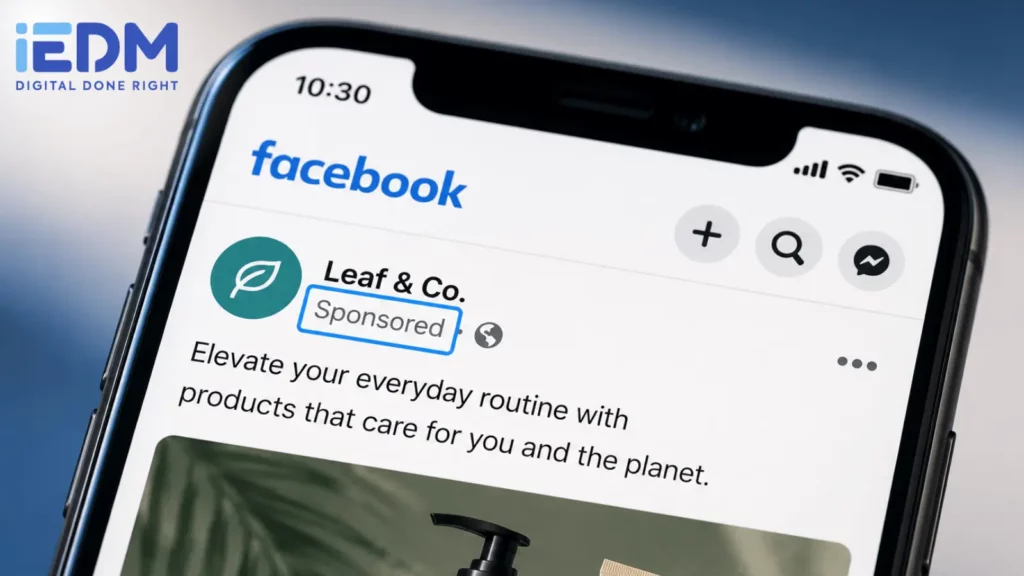
Every placement is labelled, typically with a tag like “Sponsored” or “Promoted,” so readers know it is paid content. This transparency is a non-negotiable part of ethical native advertising and a legal requirement in many markets.
Top 5 Common Native Advertising Formats
Understanding the different native advertising formats helps you choose the right approach for your goals. Here are the 5 most common native ad formats.
1. In-feed ads
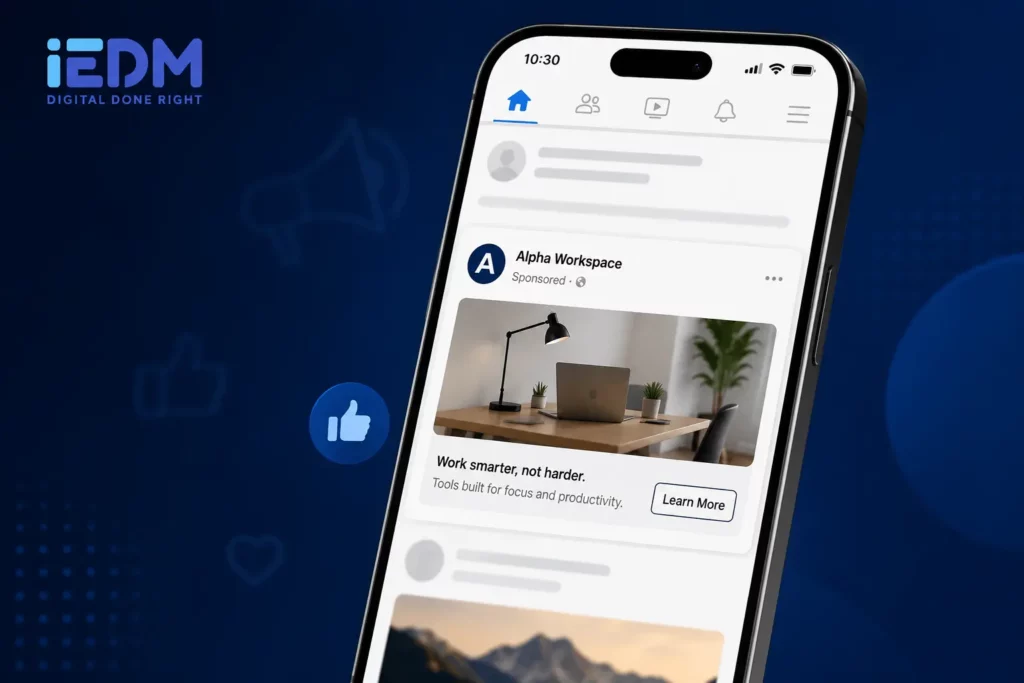
These appear directly inside social media feeds or content streams. They look like standard posts but carry a sponsored label. These in-feed advertising placements tend to generate strong engagement because they reach people mid-scroll, in an active browsing mindset.
2. Sponsored content and sponsored articles
These editorial-style pieces published on a website or blog, aligned with the publisher’s existing style. Branded content of this type is common on news and lifestyle platforms and works well for building credibility.
3. Recommendation widgets
Recommendation widgets are the “You might also like” blocks at the bottom of articles. These content discovery ads drive traffic by appearing alongside organic editorial content, making them a cost-effective native advertising solution for many small businesses.
4. Promoted listings
These show up in search results and marketplaces, positioned like organic listings but paid for by the advertiser.
5. Native video ads
This format appears in-feed or within content streams, designed to match the viewing experience of the platform rather than disrupt it.
The Benefits of Native Advertising for Your Business
It Gets Absorbed Without Resistance
Consumers absorb native ads as part of their browsing experience without the friction that triggers ad fatigue. Because the format does not interrupt what they are doing, they are far more likely to engage with the content genuinely.
For brands, this means your message reaches an audience that is already in a receptive state. This mitigates the chance that a user who is trying to wind down from actively trying to skip your ad.
It Builds Meaningful Brand Awareness
Native advertising builds visibility in a way that feels earned rather than forced. When your brand consistently appears in relevant, editorial-style content, you become associated with that content over time.
This kind of brand awareness compounds in a way that intrusive advertising rarely achieves. Iit is built on relevance rather than repetition.
It Drives Higher Engagement on Mobile
Native ads consistently generate stronger engagement on mobile devices than most other ad formats. For South African businesses targeting audiences who spend significant time on smartphones, mobile-first native advertising is a practical and cost-effective way to stay visible.
You do not need a large budget to run native ad campaigns that get results. You need the right content in the right place.
It Makes Converting Easier
When a potential customer is close to making a decision, anything that feels intrusive can push them away. A phone notification, a flashing banner, a pop-up video.
Native ads reduce that friction by fitting naturally into the content environment. The result is a smoother path from awareness to action, without the aggressive push that causes drop-off.
It Shows Off Your Products Without the Hard Sell
Native marketing lets you show the value of your product or service through useful content rather than a direct pitch.
You can address a problem your audience faces and introduce your solution in the same breath. This builds trust and credibility in a way a hard-sell display ad simply cannot match.
Ready to run native advertising that actually converts?
Native Advertising vs. Other Ad Formats
Native advertising is not a replacement for every other paid format. It sits alongside paid search, social media advertising, and display ads as part of a broader digital marketing strategy.
Display ads are useful for retargeting and keeping your brand visible across the web. Paid search ads capture people who are actively looking for what you offer. Native advertising reaches people who are not yet in buying mode but are open to discovery, making it ideal for brand awareness and top-of-funnel lead generation.
For a small business in South Africa building its digital presence, native advertising fills the gap between organic content and direct-response advertising. It is how you get in front of new audiences before they know they need you
Native Advertising Best Practices
A native advertising strategy without clear goals is just spending money. Before you launch a campaign, know what success looks like. Brand awareness, traffic, or lead generation will each point you toward different formats and platforms.
From there, these native advertising best practices apply regardless of budget or industry:
- Know exactly who you are targeting and where they spend time online
- Create content that serves your audience rather than just promoting your product
- Choose a native advertising platform that aligns with where your audience is already active
- Always label your content clearly as sponsored or promoted
- Monitor performance and optimise based on what the data tells you
Is your business new to native ad campaigns? Starting with in-feed advertising on platforms where you already have an organic presence is the best entry point. You know your audience there, and you can build on content you have already created.
Transparency and Trust in Native Advertising
One concern that surfaces around native advertising is the question of deception. If an ad looks like editorial content, is it misleading your audience?
The answer lies in disclosure. Every native ad must be clearly labelled as sponsored or promoted content. When you are transparent, native advertising is not deceptive. It is simply a smarter way to earn attention.
Done well, native advertising builds trust. Done poorly, with misleading labels or irrelevant content, it damages your brand. The quality and relevance of the content behind your native ads matter as much as the placement itself.
Get Started with Native Advertising
Native advertising is one of the most consumer-friendly paid media formats available. For South African businesses looking to build genuine connections with their audience, it offers a real touchpoint.
The brands that do it well create content worth reading and then put it in front of the right people at the right time.
If you are ready to explore what native advertising could do for your business, or if you want a digital marketing strategy that pulls your paid and organic activity together, get in touch with the IEDM team today.
We work with businesses across South Africa to build digital marketing solutions that deliver real results.
Frequently Asked Questions
Content marketing attracts audiences through organic content, while native advertising uses paid placements to promote content. Together, they help increase reach, engagement, and brand awareness.
Yes. Native advertising helps small businesses in South Africa reach targeted audiences, increase website traffic, and build brand awareness without needing a large marketing budget.
A successful native advertising campaign delivers relevant content to the right audience on the right platform. Strong targeting and ongoing optimisation are key to better results.
Native advertising is a good fit if you want to increase content visibility, drive qualified traffic, or build brand awareness. It works best as part of a broader digital marketing strategy.


